Download Środowisko MiejskieAPP and buy more easier
close
Install
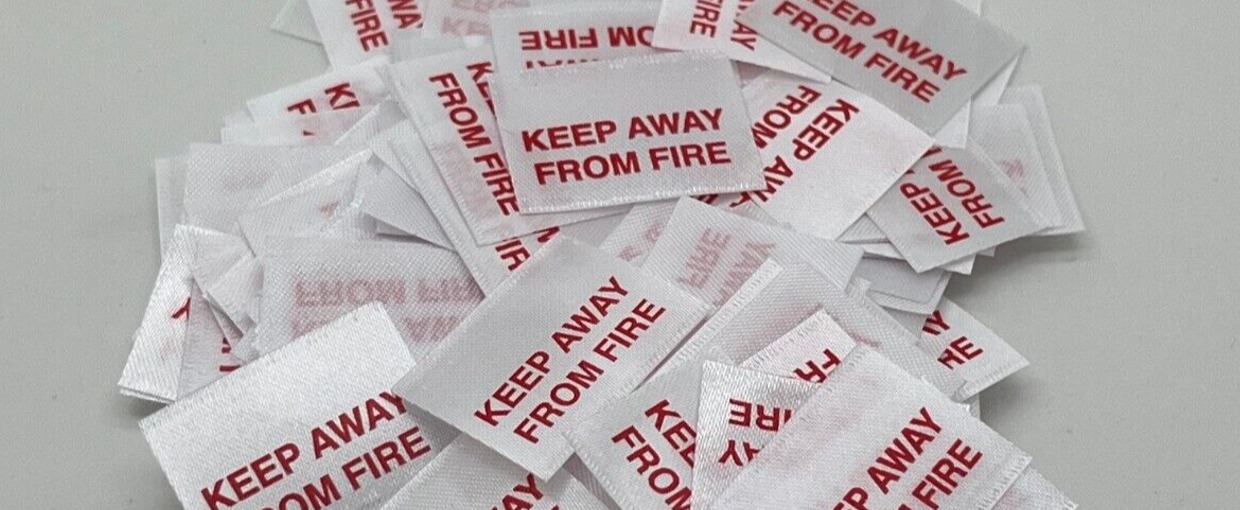
“KEEP AWAY FROM FIRE” clothing label – what it means on kids’ garments
“KEEP AWAY FROM FIRE” clothing label – what it means on kids’ garments 🔥👶🧵
If you’ve ever bought children’s clothes (or even just a gift), you’ve probably seen a label shouting in capital letters:
KEEP AWAY FROM FIRE
And the first reaction is usually the same: “Wait… is this clothing unsafe? Why would a kids’ item say that?”
Take a breath. In most cases, this label doesn’t mean the garment is “faulty.” It usually means the brand/seller must warn the caregiver that the fabric can ignite near an open flame — especially for children’s nightwear and sleepwear, where safety regulations are stricter in many countries.
Here’s the full breakdown: what it means, why it appears, where it comes from, and how to use it as a practical safety cue.
1) What does “KEEP AWAY FROM FIRE” actually mean?
In plain language:
The garment can catch fire if exposed to an open flame or a strong heat source.
You’ll most often find it on:
pajamas and nightdresses,
bathrobes,
footed sleepers / onesies for sleeping,
fancy dress costumes,
and sometimes “homewear” that can be used as nightwear.
It’s a clear instruction: keep the clothing away from candles, fireplaces, gas stoves, grills, bonfires, lighters, matches, and similar hazards.
2) Why does this label exist — and why so often on children’s clothing?
Because children are at higher risk of burns:
they’re smaller and closer to many heat sources,
they react slower in emergencies,
and loose fabric can ignite faster than people expect.
In the UK, for example, children’s nightwear safety regulations explicitly use the wording “KEEP AWAY FROM FIRE” as a required warning in certain cases (including specific presentation rules like red lettering).
In Ireland, official public health guidance explains it very directly: children’s nightwear should meet “low flammability” standards, and garments that do not meet that standard should carry “Keep away from fire” on the label (in capital letters and red font).
3) Does the label mean the clothing is dangerous?
Not automatically.
Most of the time, it means:
the garment is not classified as “low flammability” under a specific standard, or
it isn’t treated/tested as “flame resistant” for that product category,
so the manufacturer/seller must warn the caregiver.
Think of it as a safety sign: “This isn’t designed to resist flames — be extra careful.”
Also, some caregivers prefer clothing without chemical flame retardants, depending on product type and market. In such cases, a clear warning label can be part of compliant labeling practice, because natural fibers (like cotton) are still combustible.
4) Why is it so common on pajamas and sleepwear?
Because sleepwear is heavily regulated in many places.
In the United States, the CPSC describes children’s sleepwear flammability rules aimed at reducing burn injuries: sleepwear must pass flammability tests and be resistant/self-extinguishing — or it can qualify under a “tight-fitting” exception (snug fit reduces ignition risk).
That’s why loose-fitting sleepwear (big sleeves, flowing fabric) gets extra scrutiny in many markets.
5) What about costumes and fancy dress?
Costumes often include:
tulle,
synthetic fur,
foam pieces,
layered materials.
Safety authorities (e.g., London Fire Brigade) advise checking warnings and note that some compliant costumes carry the wording “Warning. Keep away from fire”.
Bottom line: costumes + candles/bonfires = a combo that needs real caution.
6) Practical checklist for parents 🔥✅
If you see “KEEP AWAY FROM FIRE,” treat it like a real-life warning label:
Keep children in that clothing away from candles, fireplaces, gas stoves, grills, bonfires.
Be cautious with loose-fitting nightwear and robes.
Prefer snug-fitting sleepwear when possible.
Be extra careful during holidays and parties (candles, sparklers, fire pits).
The world of combat sports in Poland has been growing rapidly for years. Alongside major MMA organizations, freak fight events have become extremely popular, combining sport, entertainment, and...
To launch the partnership between Środowisko Miejskie × GKS Jastrzębie, we prepared a massive flag measuring 20 x 15 meters, which was lowered from the stadium stands during the partnership...
There are moments when sport and urban culture meet in a natural way. That’s exactly what’s happening with the new partnership between Środowisko Miejskie and Polish football club GKS Jastrzębie....


.png)

 close
close